Government Infrastructure Improvements
Billions in public infrastructure investment are transforming Quintana Roo’s connectivity, energy capacity, and logistics backbone, laying the foundation for sustained industrial development.
Quintana Roo is undergoing one of the largest public infrastructure investment cycles in its history. Government-led projects spanning transportation, energy, and utilities are rapidly reshaping the region’s physical and economic landscape.
These investments are not speculative — they are designed to support long-term population growth, tourism, and private sector expansion. As connectivity improves and capacity constraints are addressed, industrial and logistics demand inevitably follows.
Key Signals
Tren Maya: 1,544 km rail network spanning five states and 34 stations
Employment impact: ~715,000 jobs projected by 2030
Poverty reduction: ~1.1 million people projected to move out of poverty
Passenger volume: ~5.5 million annual rail passengers
Tulum International Airport: ~32,000 flights per year
Energy capacity: Two combined-cycle power plants adding ~1.5 GW of power
Natural gas infrastructure: $3.9B Mayakan pipeline completed January 2025
Capital scale: Over $30B in additional infrastructure investment required across the Yucatán Peninsula
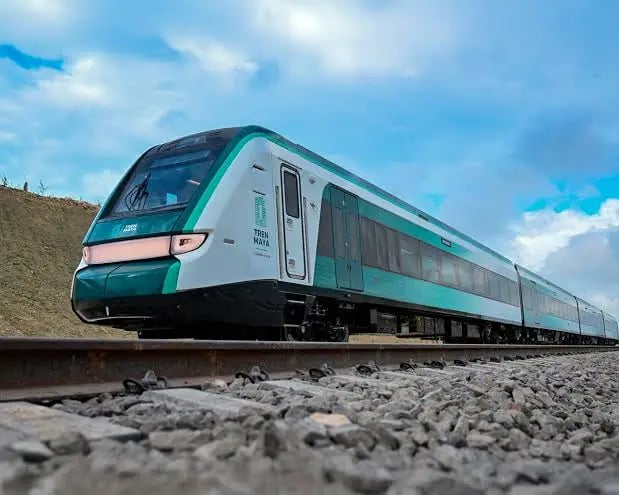

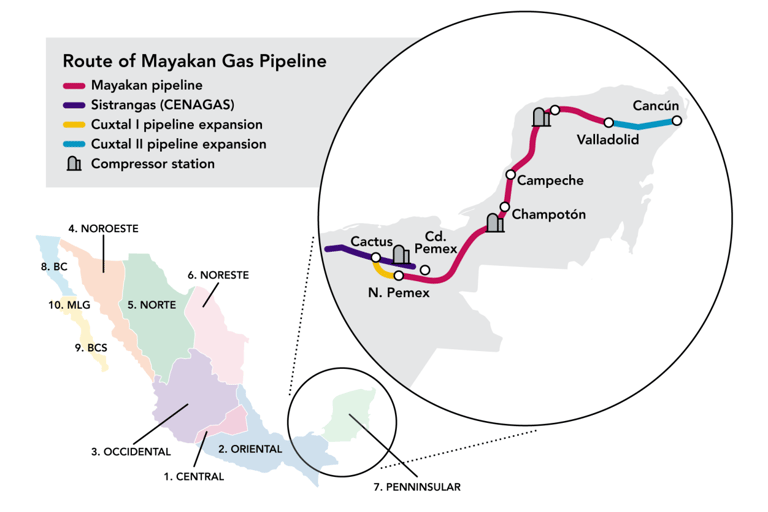
Major transportation and energy infrastructure projects reshaping the Yucatán Peninsula
Large-scale infrastructure investment reduces friction across the economy. Improved transportation, energy reliability, and logistics capacity enable private enterprises to operate more efficiently and at greater scale.
As these systems come online, demand accelerates for warehousing, distribution centers, maintenance facilities, and operational support infrastructure — assets that historically have been underdeveloped in the region.
For RIIP, government infrastructure investment acts as a leading indicator. Public capital de-risks private development by establishing the foundational systems required for long-term industrial activity.
By developing industrial assets alongside these infrastructure corridors, RIIP is positioned to support sustained demand driven by connectivity, reliability, and regional scale.